Just got off a long commute from Jersey and was starving. This was recommended by the hotel receptionist since it was one of the few places open late. Just a 5 minute walk and it was inside a shopping center. Thankfully I ordered online so I didn’t have to wait when I arrived and there was a small line of people waiting. I didn’t have super high expectations for the quality of food that late but surprisingly it was all quite good. The dumplings were delicious! The sauce had a perfect amount of spiciness and the chicken fried rice was a good portion. It was a touch dry but the extra chili sauce they gave me helped and it had at least a good flavor. I would recommend this as a good late night spot in Brooklyn if you’ve got a hankering for Chinese food!
Overview
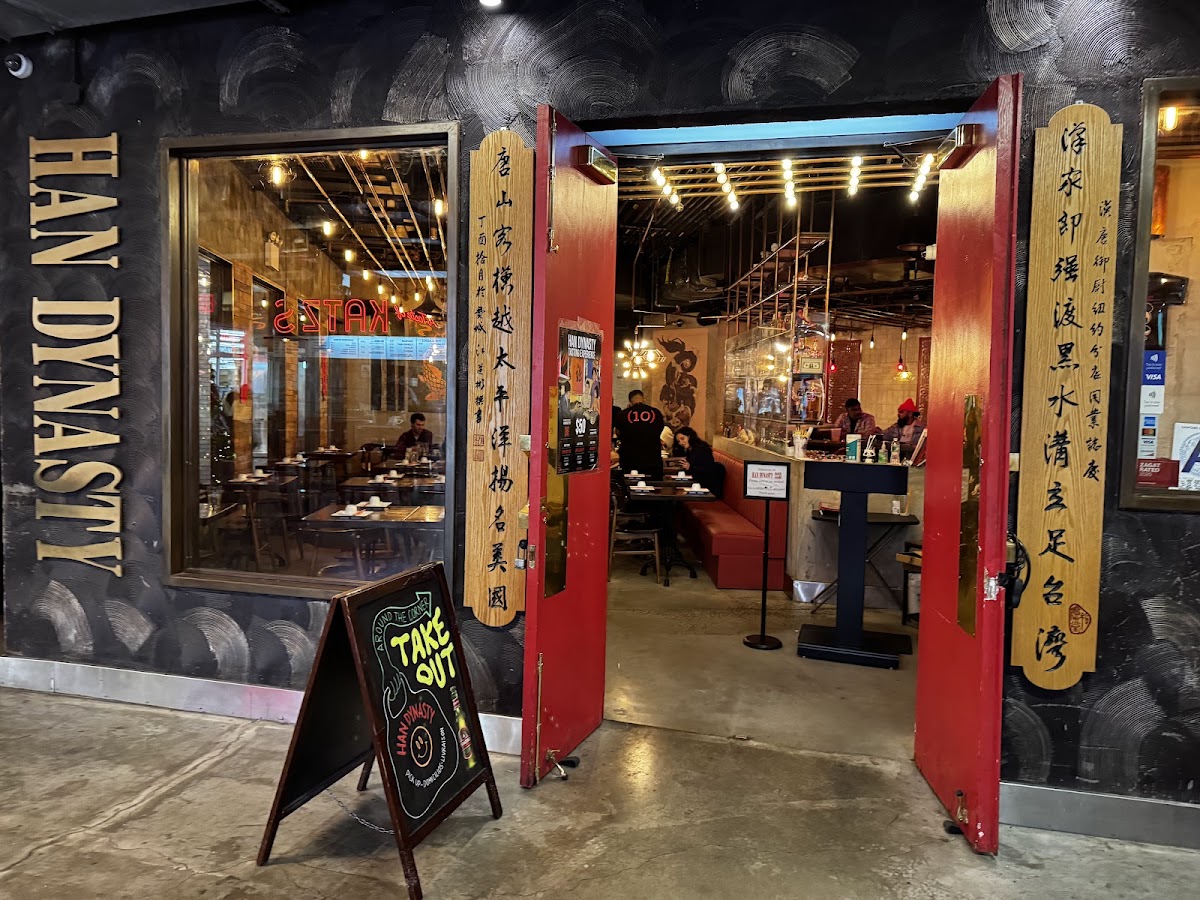
Walking into Han Dynasty Brooklyn feels like stepping into a version of Chengdu that somehow landed in Downtown Brooklyn without losing its edge. The location at 1 DeKalb Ave, Brooklyn, NY 11201, United States sits inside City Point, which makes it easy to reach but surprisingly immersive once you’re inside. I’ve eaten here more times than I can count, usually after work, and every visit reminds me why this spot keeps coming up in local reviews and word-of-mouth recommendations.
The menu is the real conversation starter. It’s unapologetically Sichuan, built around bold chili heat, tongue-tingling peppercorns, and deep, layered sauces. The first time I ordered, a server asked for my spice level and actually explained the difference instead of rushing me. That small interaction mattered. I started at a medium and quickly learned that medium here already means business. Dishes like the dan dan noodles and dry pepper chicken show a clear method: oil infused with chilies, balanced by sugar and vinegar, then finished with aromatics at just the right moment so nothing tastes flat. That process lines up with how Sichuan chefs traditionally build flavor, something culinary schools and organizations like the James Beard Foundation often point to when discussing regional Chinese cuisine.
One dish that keeps me coming back is the cumin lamb. The meat arrives tender, never chewy, tossed with cumin seeds, scallions, and dried chilies that perfume the table the second the plate lands. I once brought a friend who swore they didn’t like lamb, and halfway through the meal they were negotiating bites. That’s not an accident. Research on spice-forward cooking shows that cumin and chili can actually reduce the perception of gaminess in red meat, which explains why this dish wins over skeptics so often.
There’s also a quiet confidence in how the kitchen handles vegetarian options. The mapo tofu, made with silky tofu and fermented bean paste, delivers the same depth as the meat versions. According to food science studies published by institutions like Harvard’s School of Public Health, fermented foods contribute umami that satisfies even without animal protein. You can taste that principle in action here. It’s comforting, spicy, and complex all at once.
Service deserves its own mention. Even during peak dinner hours, the staff stays engaged and honest. I’ve been warned away from ordering too much, and they were right. Portions are generous, clearly designed for sharing, which fits the communal style of Sichuan dining. That detail shows experience, not just efficiency.
Reviews often mention consistency, and that’s been my experience too. Whether dining in or ordering takeout, the flavors hold up. That’s not easy with chili oil-based dishes, which can separate or dull over time if handled poorly. Here, everything arrives vibrant, suggesting tight kitchen standards and careful prep.
The atmosphere strikes a balance between casual and intentional. Brick walls, red accents, and an open layout keep things relaxed without feeling sloppy. It works for quick lunches, group dinners, and even solo meals when you just want noodles and quiet focus. While it can get noisy, that’s more a sign of popularity than a flaw, and it’s worth noting if you’re looking for a calm, romantic setting.
One limitation worth acknowledging is spice tolerance. Even at lower heat levels, some dishes may overwhelm newcomers. That said, the staff is good at guiding first-timers, and sticking to milder options like scallion pancakes or dumplings can ease you in. Over time, your palate adapts, and suddenly what once felt intense starts tasting balanced and addictive.
What stands out most is how confidently this restaurant represents its culinary roots without watering anything down. It doesn’t chase trends or soften flavors for mass appeal. Instead, it trusts the food, the process, and the people who come through the door. That trust shows up in every plate, every recommendation, and every repeat visit.
Good to know
Service options
✓ No-contact delivery ✓ Delivery ✓ Takeaway ✓ Dine-inHighlights
✓ Fast servicePopular for
✓ Lunch ✓ Dinner ✓ Solo diningAccessibility
✓ Wheelchair-accessible entrance ✓ Wheelchair-accessible seating ✓ Wheelchair-accessible toilet ✓ Wheelchair-accessible car parkOfferings
✓ Alcohol ✓ Beer ✓ Cocktails ✓ Comfort food ✓ Happy-hour drinks ✓ Late-night food ✓ Small plates ✓ Spirits ✓ Vegan options ✓ Vegetarian options ✓ WineDining options
✓ Brunch ✓ Lunch ✓ Dinner ✓ Dessert ✓ Seating ✓ Table serviceAmenities
✓ Bar on site ✓ ToiletAtmosphere
✓ CasualCrowd
✓ Groups ✓ TouristsPlanning
✓ Accepts reservationsPayments
✓ Credit cards ✓ Debit cards ✓ NFC mobile paymentsChildren
✓ Good for kids ✓ High chairsPhotos
Location
Reviews
Hidden gem. More authentic Szechuan style foods than it initially seems - fast and friendly service. Good atmosphere. We loved the fish dry pot, stir fry pea shoots, the spicy pork belly appetizer.
I was walking around Downtown today and I saw this place on Google Maps. I took it upon myself to give this place a try. When I entered I was greeted and seated by a young lady. The place looks very nice. Everything is clean. After 3 minutes, my order was taken by a young man. I ordered scallion beef with a side of white rice and chicken dumplings in chili oil. The chicken dumplings come in 4. I loved the flavor so much. The chili oil wasn’t too spicy. The dumplings were perfect and soft. I never really had dumplings before, but this is something that I would try again. I give that a 8.5/10. However, I didn’t really enjoy the scallion beef. The scallion and onions was overpowering the meal, but the beef was tender and quite flavorful. I give it a 6/10. Something was missing there. I tried to add soy sauce and duck sauce to see what could be different but idk it just wasn’t for me. I couldn’t even finish itThe white rice was perfect though. Fluffy to my liking. The customer service is amazing. They’re quick, swift and are glad to answer questions. One of them even helped me to use a chopstick. Honestly it was the only meal I had that day, so I can’t really judge but they could definitely do better and add more kinds of food to the menu. I feel like I wasted money though. $40 for one meal and 4 dumplings?!Do I recommend? Not really, but if you could try one thing is the dumplings in chili oil; that I recommend.
Oldest child and son in-law treated us to lunch. Food was delicious but price was higher than I expected. Nevertheless the staff was fantastic and food (13 dishes) came in a timely manner. We ordered dumplings, beef, fish, deep fried shrimps, general Han chicken, Dan-Dan noodles, egg plants, pea shoot tips. Every dish was well made. Overall a great experience and all 8 of us left with a great feeling.
I went here with my wife as a brief detour from our Trader Joe's trip and was pleasantly surprised. The place seemed completely packed and somehow we were seated and eating within 20 minutes of arriving, not sure what witchcraft made that possible. The food and atmosphere was great my only complaint being their spice levels being really off. I am a spice lover and my wife , not so much . I ordered a spice level 10 dish that although delicious did nothing for me and even my wife agreed it wasn't really spicy. Don't be afraid of those numbers everything seems a bit more mild here than expected.
Our server was called Jose & he was so sweet. I want to take him home. I loved him. All the servers were excellent. Very attentive & were always close at hand if you needed anything. We were seated in a lovely little booth & given water & a lot of green tea. The menu was explained to us as they use different number to show you how hot the dishes are. Higher numbers = higher heat etc. Our order was taken and the food arrived swiftly. The food was good. Obviously, not the best quality but adequate for the price paid. We were very happy with the meal. Thanks guys I’ll add the pics of the meal later as it on another phone
i actually enjoyed the food and drinks here,my first server was on point explaining everything to me which i loved.I will be back